Source Portable Golf Hitting Screen for Indoor, Outdoor, and Gift Uses
Find and compare 30 Portable Golf Hitting Screen options from Chinese manufacturers. Evaluate models like the Golf Practice Net-040F and G13 golf mat based on shock absorption, material composition, and customization availability for entertainment and training applications.
Key considerations
Products List


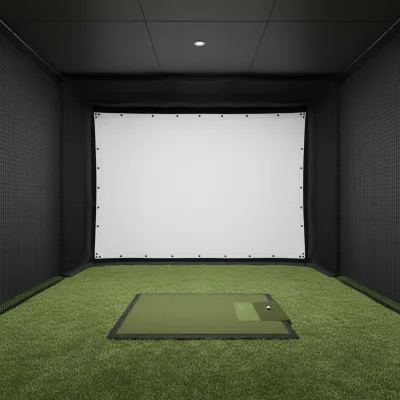
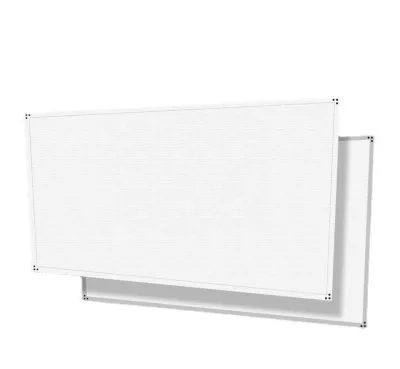
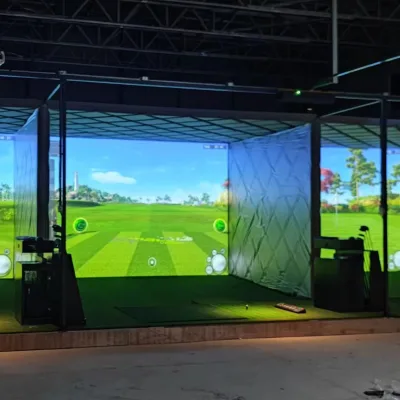


Comprehensive Sourcing Guide
Portable Golf Hitting Screen Sourcing Guide
Sourcing portable golf hitting screens requires a nuanced understanding of the diverse product landscape, which ranges from simple practice nets to complex, multi-layered hitting mats with integrated turf systems. Buyers must distinguish between standalone impact nets and comprehensive training stations that combine a screen, a hitting mat, and often a frame or support structure. The observed market data indicates a wide variance in product configurations, with models ranging from basic 1.5m x 3m nets to specialized mats like the G13 golf mat, which features a sophisticated grass layer composition including 40mm tee line turf and 35mm rough turf. Understanding these structural differences is critical for aligning procurement with specific training needs, whether for indoor home use, outdoor entertainment, or professional racing and gift applications.
The procurement process is further complicated by the high degree of customization available in this category. Many suppliers offer OEM services and allow for tailored specifications regarding size, material, and branding. For instance, products are frequently described as "Customized" with available customization options, and standards can be adjusted to meet specific regional or client requirements. Buyers should recognize that "portable" does not always imply lightweight; some units, such as the A60-1 model, weigh up to 18kg per piece, while others like the 153D model are significantly lighter at 2kg. This variance in weight and packing methods, from polybags to palletizing, directly impacts logistics, storage, and the ease of deployment at various venues.
Product Scope and Observed Listing Signals
The current market for portable golf hitting screens exhibits a broad price spectrum, with observed listings ranging from $1 to over $9,500 USD. This disparity reflects the difference between entry-level practice nets and high-end, multi-component training systems. The minimum order quantity (MOQ) also varies significantly, starting from just one piece for certain models up to 200 pieces for others, indicating that suppliers cater to both individual enthusiasts and large-scale commercial distributors. Buyers should interpret these signals as indicators of product complexity and manufacturing scale; lower MOQs and prices often correlate with simpler, single-material constructions, while higher price points and bulk MOQs are associated with composite materials, precise turf engineering, and robust shock absorption systems.
Product attributes reveal a strong emphasis on durability and environmental adaptability. Many listed items are marked as "New" and designed for both indoor and outdoor usage, with applications extending to entertainment and gifting. Key performance indicators observed include shock absorption rates exceeding 53% and durable lifespans ranging from three to five years. Materials commonly cited include rubber, TPE mats, EVA foam, and nylon knitted crimp turf. These specifications suggest that buyers should prioritize products with multi-layered padding, such as the combination of 5mm EVA foam and hard rubber, or 10mm hi-elastic textile fiber with foam rubber, to ensure player comfort and equipment longevity during repeated use.
Technical Specifications to Verify
When evaluating technical specifications, the composition of the hitting surface is paramount. Buyers must verify the exact thickness and material layers of the turf and padding. For example, some models feature a total thickness of 40mm, comprising a 40mm tee line turf, 35mm rough turf, and a 16mm putting green layer, supported by a 5mm EVA foam pad and hard rubber base. Other models may utilize a 10mm TPE mat or a 20mm total thickness with mould rubber pads. It is essential to confirm that the turf material, such as 15mm nylon knitted crimp, is suitable for the intended frequency of use, as synthetic fibers can degrade or flatten over time if not of sufficient density and quality.
Dimensional accuracy and portability features are equally critical for operational planning. Standard sizes observed include 1.5m x 3m, 1.5m x 4m, 2m x 3m, and specific mat dimensions like 40cm x 92cm or 328mm x 620mm. Buyers should verify the net weight and packing dimensions to calculate shipping costs and storage requirements accurately. Some products are packed individually in polybags, while others require box or palletized shipping, which affects handling efficiency. Additionally, the installation method should be confirmed as movable or fixed; most portable screens are designed for movable installation, but the stability of the frame or the ease of unfolding the mat should be assessed to ensure quick setup and takedown at different locations.
Compliance and Safety Documentation
Safety and environmental compliance are increasingly important for B2B buyers, particularly when supplying products for commercial gyms, schools, or public entertainment venues. While specific certification statuses like CE are mentioned in background data, buyers must actively request and verify current compliance certificates for the specific models they intend to purchase. This includes verifying that materials such as rubber, TPE, and EVA foam meet relevant chemical safety standards, ensuring they are free from harmful substances like phthalates or heavy metals. The environmental protection level, often cited as "E" or similar classifications, should be documented and validated through third-party testing reports provided by the supplier.
Shock absorption and structural integrity are key safety considerations that require documented verification. Products claiming a shock absorption rate of greater than 53% should be backed by test data or engineering specifications that explain how this rate is achieved. Buyers should inquire about the durability of the materials under stress, particularly the resilience of the turf layer and the adhesion of the padding layers. For products used in racing or high-impact entertainment settings, verifying the fire retardancy of the screen material and the non-slip properties of the mat base is essential to prevent accidents. Ensuring that the product meets local building or safety codes for temporary structures is also a critical step in the procurement process.
Cost Drivers and Commercial Terms
The cost of portable golf hitting screens is driven primarily by material quality, layer complexity, and customization levels. Products with multi-layered turf systems, such as those combining tee line, rough, and putting greens, command higher prices due to the intricate manufacturing processes involved. Similarly, the inclusion of high-density shock absorption materials like 10mm hi-elastic textile fiber or specialized TPE mats adds to the unit cost. Buyers should analyze the cost per square meter or per unit weight to compare value across different models, keeping in mind that heavier products like the 18kg A60-1 may offer superior durability and performance compared to lighter, less expensive alternatives.
Commercial terms, including MOQ and payment structures, vary widely among suppliers. The observed MOQ range of 1 to 200 pieces suggests flexibility, but buyers should negotiate volume discounts for larger orders, especially for standardized models. Payment terms should be aligned with production milestones, and buyers should clarify who bears the cost of customization, such as logo printing or specific size adjustments. Additionally, the packing method, whether polybag, box, or pallet, can influence the final landed cost due to differences in shipping volume and handling fees. It is advisable to request a detailed breakdown of costs, including manufacturing, packaging, and logistics, to ensure transparency and avoid hidden fees.
Supplier Qualification and Quality Control
Supplier qualification should focus on their manufacturing capabilities and quality assurance processes. Buyers should verify that suppliers have experience in producing golf training aids and can provide references or case studies from previous clients. Given the high degree of customization available, it is crucial to assess the supplier's ability to maintain consistency across different product runs. This includes their capacity to handle OEM requests and their proficiency in managing complex material combinations, such as integrating nylon turf with rubber pads. Suppliers located in regions like Shandong, China, should be evaluated for their logistical efficiency and access to raw materials.
Quality control measures must be rigorous to ensure product longevity and performance. Buyers should implement pre-shipment inspections to verify dimensions, material thickness, and overall construction quality. Specific checks should include testing the shock absorption rate, inspecting the turf for uniformity and durability, and ensuring that all layers are securely bonded. For products with a claimed durability of 3 to 5 years, buyers may request accelerated wear tests or sample evaluations to validate these claims. Establishing a clear quality agreement with the supplier, including penalties for non-conformance, is essential to mitigate risks and ensure that the delivered products meet the specified standards.
Long-Term Procurement Checks
Long-term procurement success depends on establishing a reliable supply chain and maintaining ongoing quality monitoring. Buyers should conduct periodic audits of their suppliers to ensure that production standards are consistently met and that any changes in materials or processes are communicated and approved. This is particularly important for customized products, where minor deviations can significantly impact performance. Building a relationship with suppliers who offer responsive after-sales support and warranty services can also enhance the total cost of ownership by reducing downtime and repair costs.
Furthermore, buyers should stay informed about market trends and technological advancements in golf training aids. This includes monitoring developments in sustainable materials, such as eco-friendly rubber or recycled turf fibers, which may become preferred by end-users. Regularly reviewing product performance in the field and gathering feedback from end-users can provide valuable insights for future procurement decisions. By maintaining a dynamic approach to supplier management and product evaluation, buyers can ensure that their portable golf hitting screens continue to meet the evolving needs of their customers while delivering consistent value and quality.
FAQs
How portable are these golf hitting screens for indoor and outdoor use?
These golf training aids are designed as movable units suitable for both indoor and outdoor application. Portability depends on the specific model's net weight, which ranges from around 2kg to 18kg per piece across listed variants. Lighter models can be repositioned by one person, while heavier mats and screens are better moved with palletizing or box packing considered during transport planning.
What materials are used in the golf mats and hitting screens?
Listed products use rubber as the primary material, with construction details varying by model. Some units combine a 10mm TPE shock mat, 5mm EVA foam with hard rubber padding, or mould rubber bases under turf layers. Grass layers may include tee line turf, rough turf, and putting green surfaces in varying thicknesses, with total thickness from 15mm to 40mm.
Can the portable golf hitting screens be customized for size and branding?
Yes, customization is available on listed products, and OEM service is supported. Sizes observed include 1.5m by 3m, 1.5m by 4m, and 2m by 3m options, with models like Golf Practice Net-040F and G13 golf mat indicating configurable product lines. Buyers should confirm dimension, color, and packing requirements directly, since the production standard is listed as customized.
What is the shock absorption performance of these golf training mats?
The listed shock absorption rate is greater than 53 percent, which helps reduce impact stress during practice swings. This performance comes from layered construction, such as the 10mm TPE shock mat or combinations of hi-elastic textile fiber with foam rubber. Actual feel varies by total thickness, ranging from 15mm to 40mm depending on the model selected.
How long do these golf hitting mats and screens last?
The stated durable years range from 3 to 5 years under normal use conditions. Longevity depends on practice frequency, club type, and whether the product is used indoors or outdoors. The products also carry a waterproof feature and an environmental protection rating, which supports outdoor placement, but proper storage between sessions will help maximize service life.
What is the minimum order quantity for portable golf hitting screens?
Observed MOQ values start from 1 piece on some models, making single-unit sampling possible before larger commitments. Other listings show MOQs up to 200 pieces, so requirements differ by product type and specification. Buyers should confirm the MOQ tied to their chosen model and customization level, as customized orders may carry different minimums than standard configurations.
How are the products packed for shipping?
Packing methods vary by model: each unit may be packed in a polybag, shipped nude, boxed or palletized, or shipped on pallets. Net weights range from 2kg to 18kg per piece, which affects freight cost and handling. Heavier mats and multi-layer turf systems are typically palletized, while lighter screens suit polybag or box packing for individual dispatch.
What colors and installation options are available?
The listed color is grass green, matching a natural fairway appearance for practice areas. Installation is movable, meaning no permanent fixing is required, and products are rated for both indoor and outdoor use. Buyers needing different colors or configurations should request customization, which is available, and confirm feasibility with the supplier before ordering.